India meets its 2030 climate goals?
That 64% YES on the Kalshi market for “India meets its 2030 climate goals?” hit me right between the eyes this morning. Sixty-four percent. That's a pretty strong declaration from the crowd, telling me they think there’s roughly a two-thirds likelihood that one of the world’s fastest-growing major economies will achieve its environmental pledges by the end of the decade. Frankly, my gut reaction was a mix of surprise and skepticism.
We’re talking about a market that has seen a respectable 7,930 contracts traded and currently holds 2,965 contracts in open interest. This isn’t just a handful of climate wonks making a niche bet; there’s real money and collective wisdom, or at least collective sentiment, driving this price. People are putting their money where their mouths are, believing India is on track. And yet, I can't help but feel that 64% might be a little… inflated, given the scale of the challenge.
Let’s get specific about what we're actually betting on here. India, like many nations, has submitted updated Nationally Determined Contributions (NDCs) under the Paris Agreement. Two of their big ones for 2030 are: achieving 50% cumulative electric power installed capacity from non-fossil fuel-based energy resources and reducing the emissions intensity of its GDP by 45% from 2005 levels. Those are critical nuances, and if you’ve been following climate policy, you know the devil is always in the details.
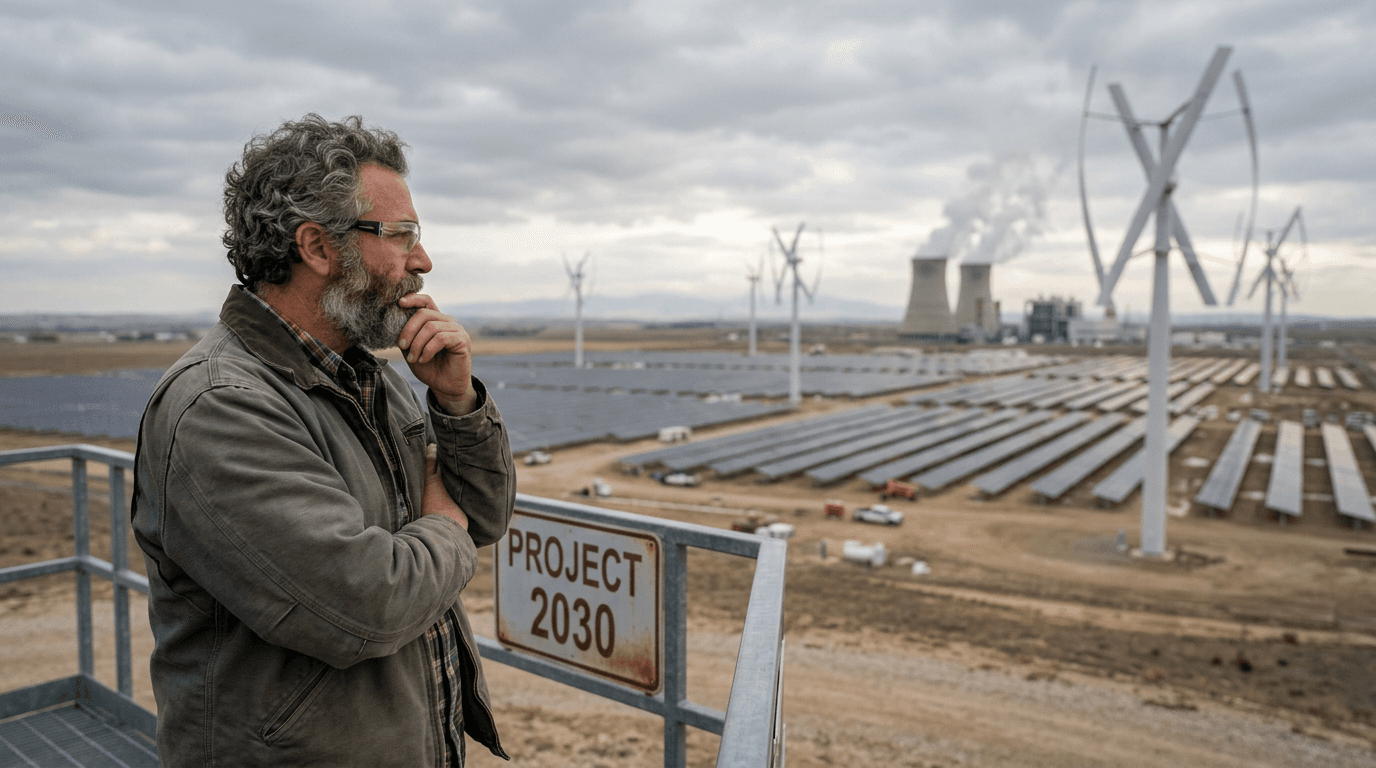
I think the bullish case for YES at 64% probably rests on India's undeniable, impressive push into renewable energy. The growth in their solar capacity, for example, has been nothing short of phenomenal. When you look at the sheer ambition and the speed at which new projects are being deployed, you can see why some might feel confident. They've also been very strategic about defining their goals. The 50% non-fossil *installed capacity* target is achievable if they keep adding renewables aggressively. It's not 50% of *generation*, which would be a far steeper hill to climb, especially with rising demand. Similarly, reducing *emissions intensity* means they can still increase total emissions as their economy expands, as long as each unit of GDP becomes less carbon-intensive. That's a more flexible target than absolute emissions cuts.
But here’s the thing you need to know, the part that makes me eye that 64% with a raised eyebrow: India’s energy demand is exploding. We’re talking about hundreds of millions of people who are still gaining access to reliable electricity, and a manufacturing base that's growing at a blistering pace. And what’s fueling a huge chunk of that growth? Coal. India is the world's second-largest coal consumer and producer, and they're still building new coal-fired power plants. You can’t simply wish away that reality.
Yes, they are adding record amounts of renewables, but they're also adding thermal capacity to meet baseline demand and ensure grid stability. The sheer volume of energy needed means that even with massive renewable additions, coal's contribution isn't disappearing overnight. Plus, the transition isn't just about building panels; it’s about grid modernization, storage solutions, land acquisition, and financing – all massive undertakings in a country of India's size and complexity. The 45% emissions intensity reduction from 2005 levels, while seemingly less daunting than an absolute cut, still requires sustained, significant decoupling of economic growth from carbon output, which is easier said than done with a developing industrial base.
So, where would I put my money? If I were playing this market right now, I'd probably be looking hard at that 35% NO price. I think the market might be underestimating the sheer inertia of existing fossil fuel infrastructure and the immense pressure of development goals. India's commitment is real, and their efforts are laudable, but meeting *these specific goals* by 2030, with all the inherent challenges and caveats, strikes me as a tougher climb than 64% implies. The crowd might be focusing too much on the headlines of renewable deployment and not enough on the underlying energy mix and the complexities of actual implementation. I believe there’s value in betting against that strong confidence, betting that even with the best intentions, the scale of the challenge will push them just shy of their stated targets. The market closes way out in December 2031, giving us plenty of time to watch this story unfold, but for now, I’m seeing a little too much optimism priced in.